Sprockets
About Sprockets
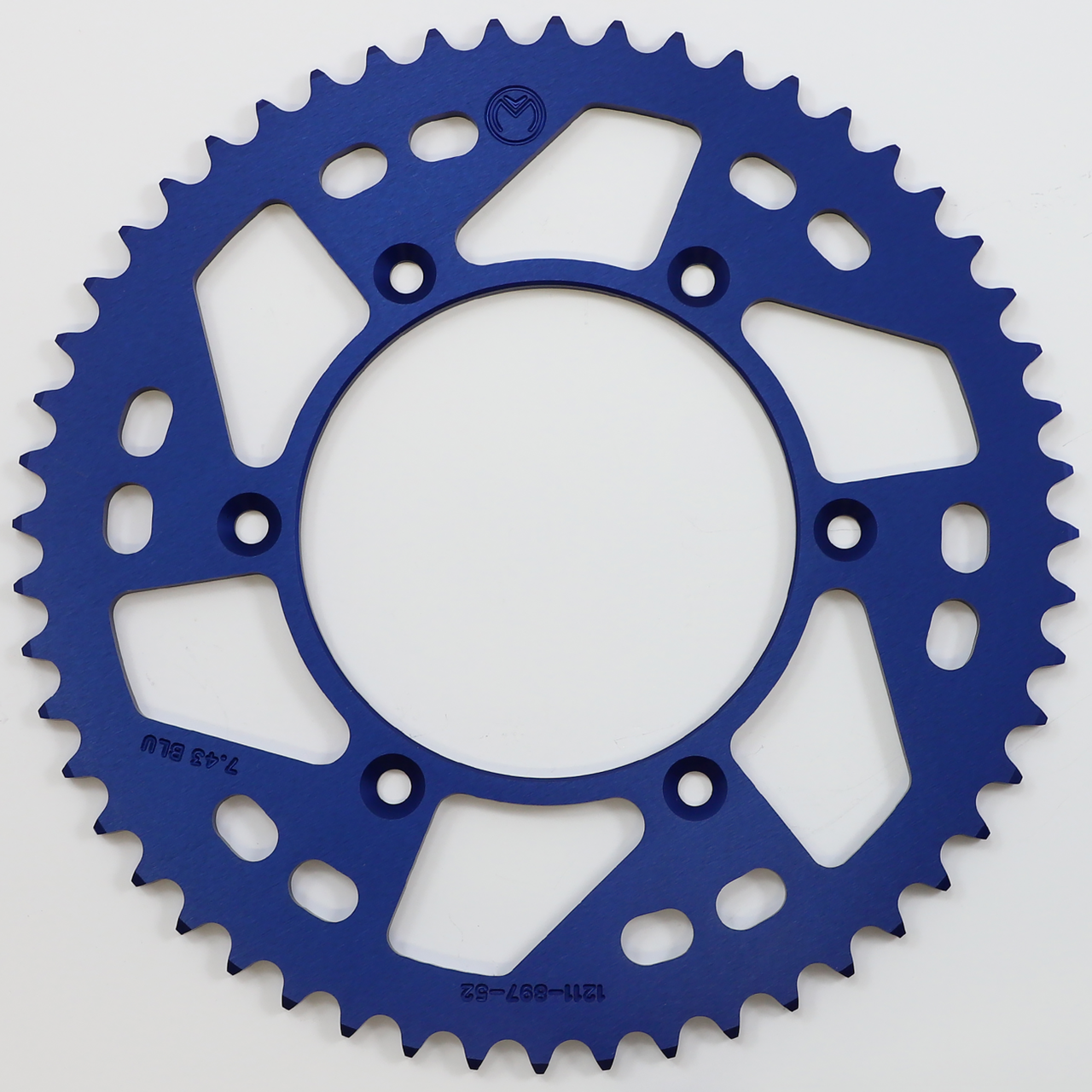
A sprocket is the toothed wheel that carries drive from the engine to the rear wheels of a chain-driven quad. The small one on the transmission output shaft is the front sprocket, also called the countershaft sprocket, and the large one bolted to the rear axle carrier is the rear sprocket. Teeth wear into hooked shapes over time, which makes the chain wear faster and run noisily, so owners replace sprockets along with the chain or change tooth counts to alter how the quad pulls.
Tooth count is the main choice. A smaller front sprocket or a larger rear sprocket lowers the gearing, which gives quicker acceleration and more low-speed pull at the cost of top speed. The reverse raises the gearing. The sprocket also has to match the chain size, such as 520 or 530, and the rear one has to match the bolt-hole pattern and bore of your carrier, so the fitment line in the listing matters. Steel sprockets last longest, while aluminum ones are lighter and wear faster. Listings here include front, countershaft and rear sprockets for quads from Honda, Kawasaki, Suzuki and Yamaha, along with dual-sprocket listings for some off-road models.
Brands here include Vortex, Parts Unlimited, All Balls, Renthal and JT Sprockets. Pick your machine in the Ride Finder at the top of the page to see sprockets made for it. Related categories are Final Drive Belts & Chains, Guards & Guides and Other Belt, Chain & Sprocket Parts, all under Final & Primary Drive Parts & Kits. A chain size chart helps decode chain numbers.
FAQs on quad sprockets
How do sprocket tooth counts change the way a quad rides?
Gearing is the ratio of rear teeth to front teeth. Fewer teeth on the front or more on the rear gives quicker acceleration and lower top speed. More teeth on the front or fewer on the rear gives the opposite. Change by one or two teeth at a time and check chain clearance.
Is a steel or aluminum rear sprocket the better choice?
It depends on use. Steel wears slowest, so it suits heavy use, mud and sand where grit speeds up wear. Aluminum is lighter and often comes in colors, but its teeth wear faster. Many riders pair a steel front sprocket with an aluminum rear.
Do I need a new chain when I change sprockets?
In most cases, yes. A stretched chain does not sit correctly on new teeth and wears them quickly, and the chain size must match the sprockets. If the old chain is still in good shape, measure it against the maker's wear limit before reusing it.
Does every ATV or UTV use sprockets?
No. Many UTVs and larger ATVs drive the wheels through a shaft and axles instead of a chain, so they have no drive sprockets. Sprockets apply to chain-driven quads. Look for a chain at the rear axle or check your owner's manual.
How do I match a sprocket to my quad?
Pick your machine in the Ride Finder, then compare three details with your manual or the old sprocket: the tooth count, the chain size and, for a rear sprocket, the bolt-hole pattern. A sprocket that differs in any of these will not fit properly.