Gear
About Gear
The gear in this category is what the rider wears on a personal watercraft: flotation vests, a wetsuit and jacket, gloves and boots. Riders shop here for a vest that suits their size, for warmth in cool water, for grip on wet bars and decks, and for a child-size vest that fits properly.
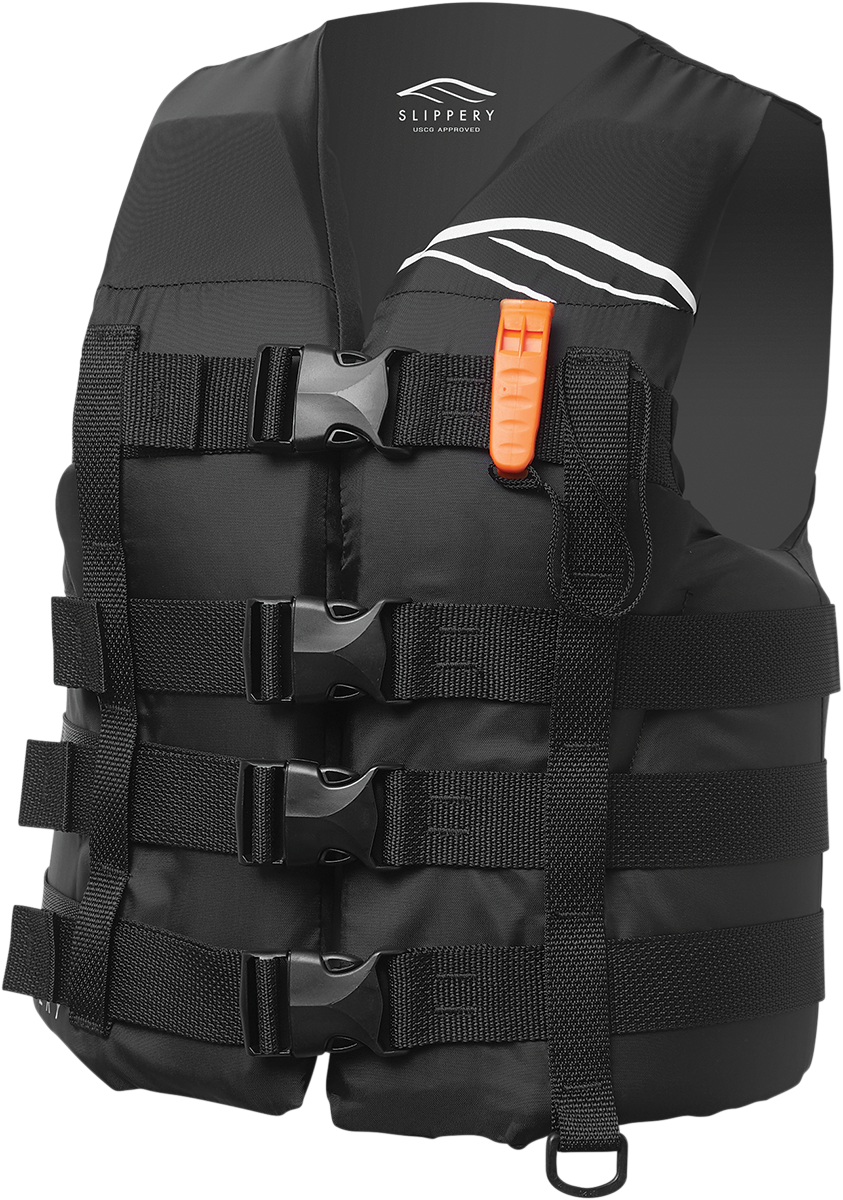
The vest is the piece to get right. Both neoprene and nylon vests are listed, and either kind needs to be sized to the wearer by the chest and weight range on its label, and approved for water use. Youth vests are listed in their own sizes. A wetsuit or jacket adds warmth if you may end up in the water in cool conditions. Gloves help with grip, and boots give grip on wet surfaces. Check each brand's size chart, because sizing differs between makers.
Brands here include Airhead, Slippery and Fly Racing. For more, see Covers and Other Accessories & Gear, both part of Accessories & Gear.
FAQs on jet ski vests and riding gear
What is the difference between a neoprene and a nylon flotation vest?
Neoprene vests are made of stretchy foam fabric and tend to fit closely, while nylon vests have a woven shell with buoyancy panels and adjustable straps. Either can work. What counts is that the label shows the right size and approval for water sports.
Do children need their own flotation vest?
Yes. A child needs a vest in a youth or child size, chosen by the weight range on the label. An adult vest can slip off over the head. Check the fit by lifting the vest at the shoulders, and buckle all the straps.
Do I need a wetsuit for riding a personal watercraft?
It depends on the water and air temperature and how likely you are to end up in the water. Falling into cold water can chill you quickly, and a wetsuit or jacket helps keep you warm. Dress for the water temperature, not just the air.
Why wear boots and gloves on a jet ski?
Boots protect your feet and add grip on wet decks and ramps. Gloves protect your hands and help you hold the grips when they are wet. Look for items made for water use, and choose the size from the brand's chart.
How do I care for neoprene riding gear?
Rinse it in fresh water after each use, especially after salt water, and let it dry away from direct sun and heat. Store it hung or laid flat rather than folded tightly. Heat and harsh cleaners can weaken the material.