
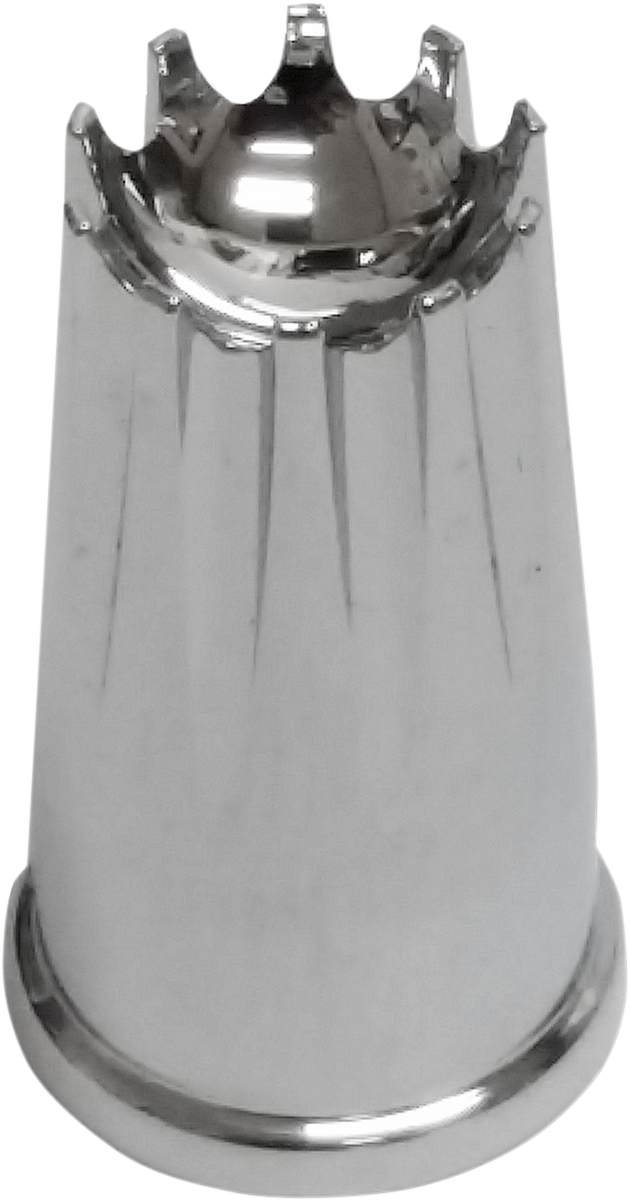
Valve Stems & Caps
About Valve Stems & Caps
The valve stem is the small port through the rim that lets you add and check air, and the cap on top keeps dirt out of it. Stems wear in a quiet way: rubber cracks and hardens with age, metal stems get bent or corroded, and a weeping stem causes slow pressure loss that is easy to blame on the tire. Riders also change stems and caps purely for looks, in chrome, black or anodized colors.
The main choice is the shape and the mounting. Straight stems are the common type, while 90-degree and angled stems put the valve at an angle that makes it easier to reach with a gauge or pump head on some wheels. Rubber stems snap into the rim hole, and bolt-in metal stems are held with a nut. Check the stem length, and make sure it suits your rim hole and whether the wheel is tubeless or uses a tube. Valve cores, sold in packs, are the small threaded parts inside the stem that actually seal the air. Rim lock and valve stem kits are listed too, which suit wheels that use rim locks.
Brands here include Bolt, Colony, SDI, Drag Specialties and Parts Unlimited. A tire change is the natural time to replace the stem, so see Tires, and for the wheel itself see Wheels & Rims and Wheel Hubs. The whole group is Wheels, Tires & Parts.
FAQs on motorcycle valve stems and caps
Which valve stem fits my motorcycle wheel?
It depends on the wheel: the size of the valve hole in the rim, whether the wheel is tubeless or uses a tube, the stem length and whether you want it straight or angled. Check your wheel maker's information or the listing for your model.
Why would I choose an angled valve stem over a straight one?
On some wheels a straight stem leaves too little room for a pump head or gauge, especially near a brake disc or a wide hub. A 90-degree or angled stem points the valve out where it is easier to reach. If your current stem is easy to use, a straight one is fine.
Does a valve cap stop air leaks?
The valve core holds the air in, not the cap, which mainly keeps dirt and moisture out of the valve. A slow leak usually comes from a loose or worn core, a cracked stem or the tire bead. Tighten or replace the core first, and keep a cap on the stem.
When should I replace a valve stem?
Replace a stem that has cracked or hardened rubber, is bent, or leaks around its base. Many riders also fit a new one whenever they mount a new tire, because the stem is cheap and hard to reach later.
Can I replace a valve core on its own?
Yes. The core threads into the stem and is removed with a valve core tool. Make sure the replacement is the same type and thread as the one you remove, and check for leaks afterward by wetting the valve with soapy water.