
Instrument Clusters
About Instrument Clusters
An instrument cluster puts several readouts in one housing on the dash, in place of a set of separate gauges. Owners look for one when the original has failed, been damaged or lost its display.
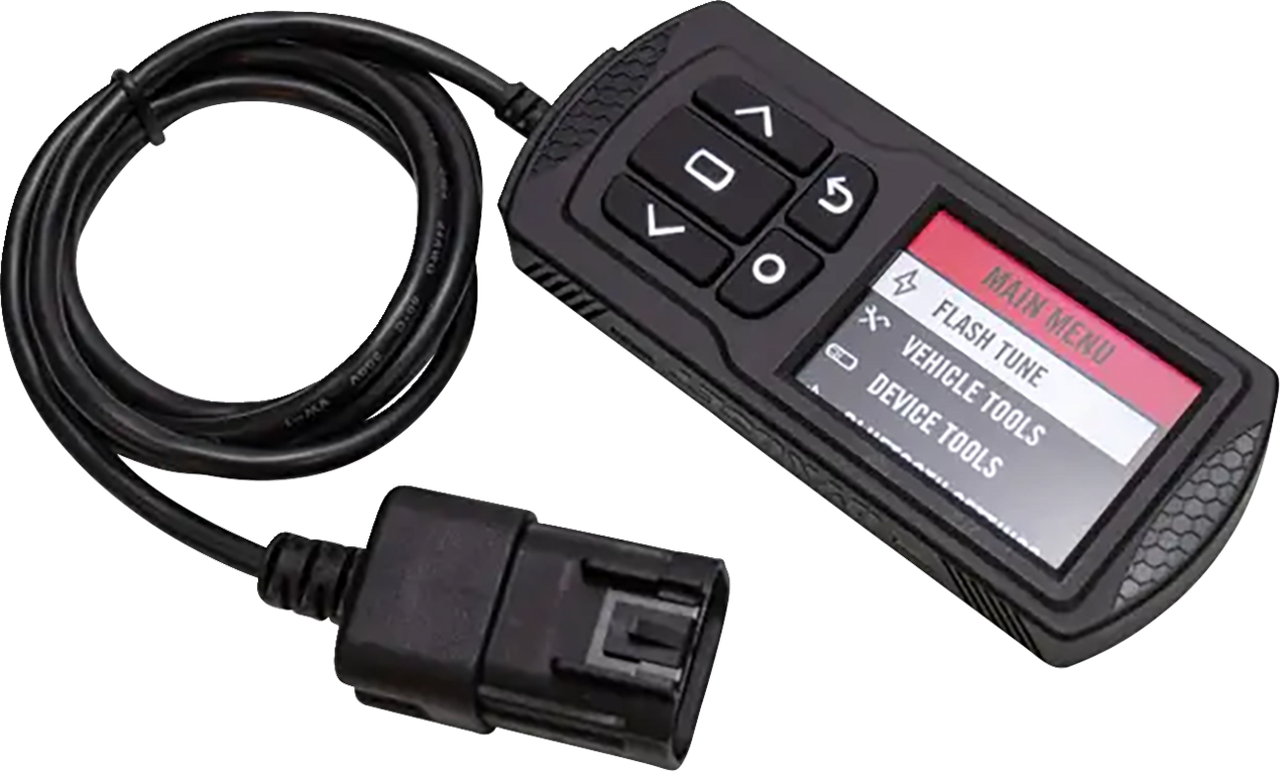
This is a very small category. The listing here is a Dynojet InVision Monitor electronic control unit for Polaris. Clusters and monitor units are specific to a machine, so check which Polaris models and years the listing names, and read the product notes to see how it connects and what it displays. Match the connector to the one on your machine, because a unit that looks right can still have a different plug.
The brand here is Dynojet. For other dash parts, see Individual Gauges, Instrument & Gauge Parts and Wiring Harnesses, Cables & Connectors, all part of Instruments & Gauges.
FAQs on instrument clusters
What is the difference between an instrument cluster and individual gauges?
A cluster puts several readouts in a single housing and plugs into one connector, while individual gauges each show one or two readings and mount separately. A cluster is neater, and individual gauges let you add only the readings you want.
Can I replace a failed cluster with any other cluster?
No. Clusters differ by make, model and year in size, connector and the signals they read. Choose one listed for your machine and compare the connector with the one on your dash, since a unit that fits the opening may still not plug in.
How do I tell whether the cluster or a sensor has failed?
A dead readout can come from the display or from the sensor, wiring or fuse feeding it. Check the sensor, connector, fuse and ground first, and follow your service manual before buying a new cluster.
Does an aftermarket cluster need extra wiring?
Sometimes. Some units plug into the factory connector, while others need an adapter harness or wiring changes. Check the listing for how the unit connects, and compare its plug with the one on your machine before you order.