
Instrument & Gauge Parts
About Instrument & Gauge Parts
A gauge reads only as well as the sensor, cable and mount behind it, so a dead speedometer or a loose gauge is often fixed with a small part instead of a new unit.
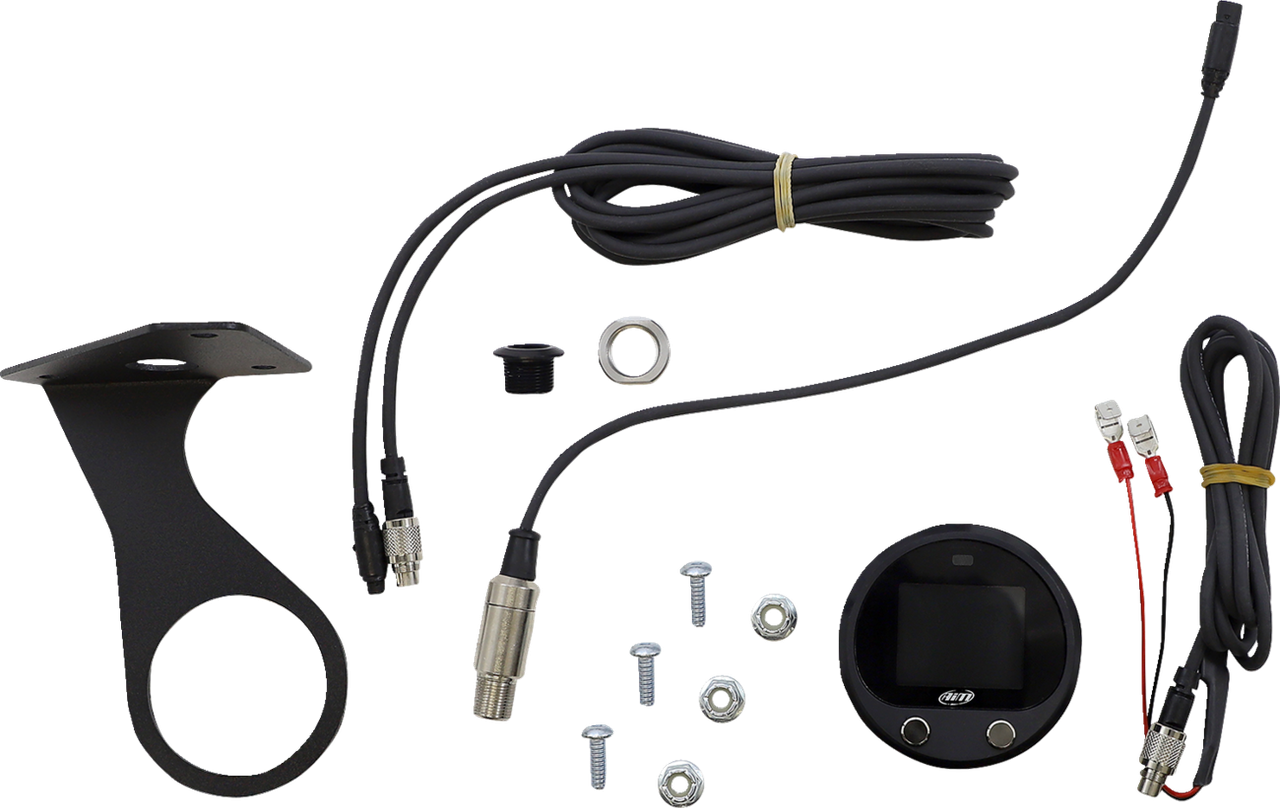
The parts here include speed sensors for CFMOTO C-Force, U-Force and Z-Force models in several year ranges, plus a speed sensor for a speedometer and a speedometer cable for a Yamaha ATV. Mount kits for the Power Vision 3 are listed for Can-Am, Polaris and universal fitment, and a temperature gauge system is listed too. Sensors and cables are made for particular machines, so match make, model and year, and pick your machine in the Ride Finder at the top of the page.
Brands here include Dynojet, Motion Pro, Quad Logic, Straightline Performance and Koso North America. For gauges and clusters, see Individual Gauges, Instrument Clusters and Wiring Harnesses, Cables & Connectors, all part of Instruments & Gauges.
FAQs on instrument and gauge parts
How do I tell if a speedometer problem is the sensor or the cable?
Machines drive the speedometer in different ways, so check which yours uses. On a cable-driven machine, look for a kinked or broken cable. On a sensor-driven machine, check the sensor, its wiring and its connector for damage or dirt.
Are speed sensors interchangeable between models?
No. Listings name specific models and year ranges, such as separate CFMOTO C-Force, U-Force and Z-Force groups. Sensor design and connector differ between them, so match your make, model and year instead of choosing by appearance.
What is a gauge mount kit for?
A mount kit holds a gauge or device in a fixed position on the machine, such as the Power Vision 3 mount kits listed for Can-Am, Polaris and universal use. Choose the kit for your machine so it fits the mounting points.
Does a digital speedometer need calibration after a sensor change?
Some do. Digital speedometers can need calibration after a new sensor, a change in tire size or different gearing. Check the instructions for your particular gauge, and compare its reading with a known speed, such as a GPS, afterward.