Protective Gear
About Protective Gear
Protective gear is the equipment that takes the hit instead of your body: armor for the back, chest, joints and hips, plus eyewear and head and face gear that deal with debris, wind and noise. Riders shop here to start off-road or street riding with the right gear, to replace pads that have taken a hit or worn out, and to size up protection for a youth rider.
Body armor is divided by the area it covers. For the torso there are Back Protectors, Chest Protectors, Air Vests, Kidney Belts and Neck Braces & Supports. For joints and hips there are Knee Protectors, Elbow & Shoulder Guards, Hip Protectors and Armored Shorts & Pants. Protector Sets bundle several pieces, Protector Parts are replacement pads and straps, and Other Protective Gear holds the rest.
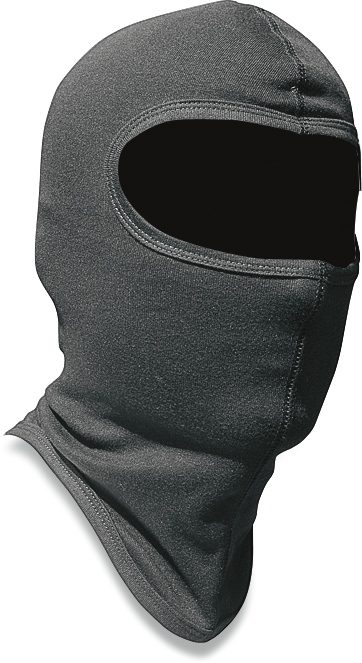
Head and face gear is listed alongside: Eyewear, Balaclavas, Masks & Tubes, Ear Plugs and Other Headwear. When you compare armor, look for a stated impact rating, usually marked Level 1 or Level 2, and check how the piece is sized, since some are sized by torso length, some by waist and some by rider weight. Some protectors are inserts that slide into a jacket or pants, and others are worn on their own.
Brands here include THOR, ICON, Scott, Alpinestars and Mobius. Riding apparel such as jackets, pants and gloves is under Motorcycle & Powersports Gear.
FAQs on motorcycle protective gear
What do Level 1 and Level 2 mean on armor?
Many protectors are tested to a European standard and marked Level 1 or Level 2. A Level 2 protector lets less impact force through in the test than a Level 1. The level is a test result and not a promise of protection in every crash, so check the listing for the standard that was tested.
Which protective gear should I buy first?
Start with a helmet, then add the pieces that match how you ride. Off-road riders commonly choose a chest protector, knee protection and goggles. Street riders often start with back and joint armor that fits inside a jacket and pants. The right order depends on your riding.
How is protective gear sized?
It varies by piece. Back protectors are sized by torso length, pants and shorts by waist, joint guards by leg or arm size, and some youth chest protectors by rider weight. Read the size chart on each listing and measure yourself instead of assuming a clothing size.
What is the difference between armor inserts and standalone armor?
Inserts are flat or shaped pads that slide into pockets in a jacket, pants or armored layer. Standalone armor, such as a roost guard or brace, is worn by itself with straps. Inserts only work in garments that have matching pockets, so check compatibility.
Should I replace protective gear after a crash?
Usually, yes. Armor that has taken a hard impact can be damaged in ways you cannot see, and makers generally advise replacing it. Check the manufacturer's instructions for the piece, and look over straps, buckles and stitching as well as the padding.