Full Face Helmets
About Full Face Helmets
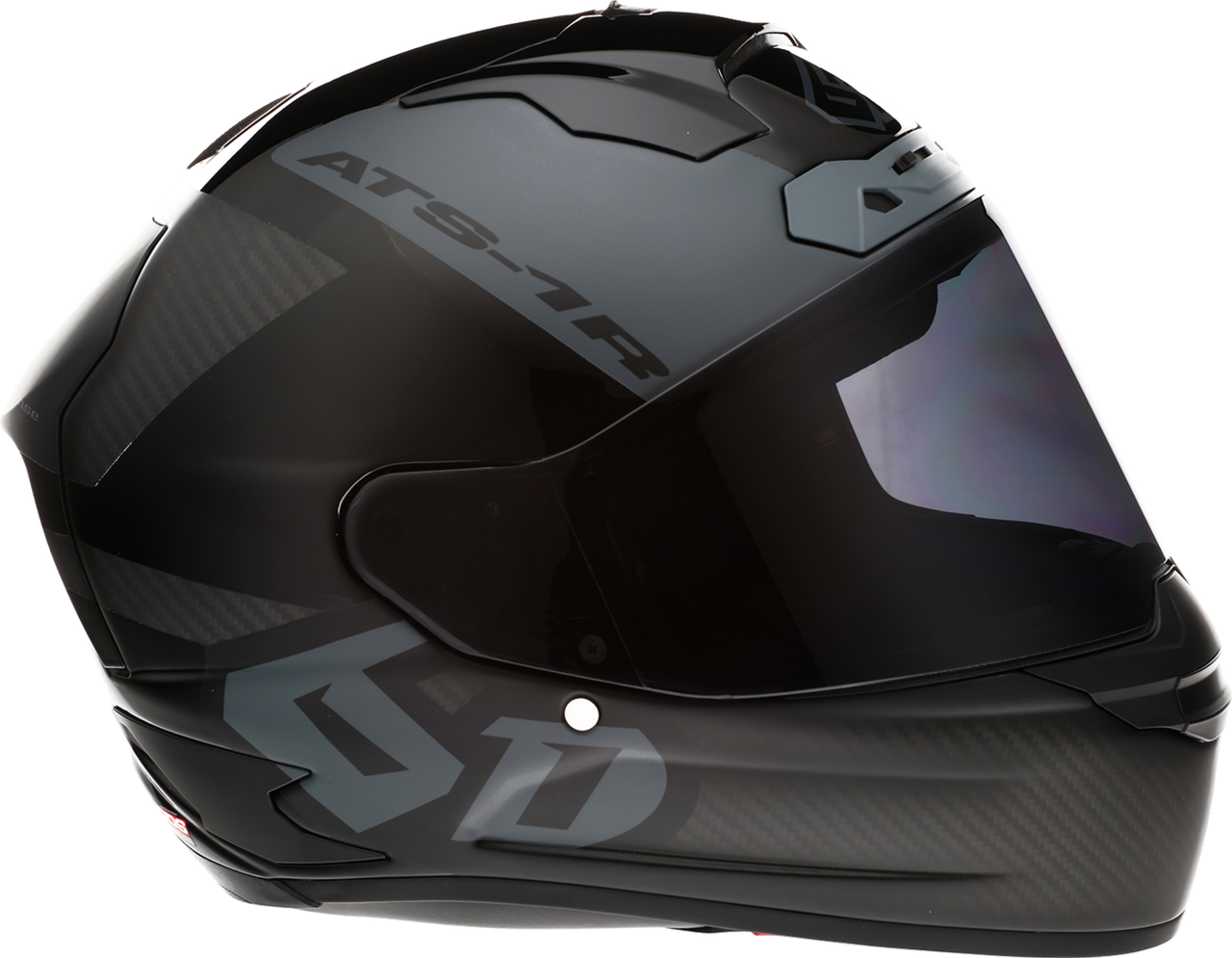
A full-face helmet covers the whole head, including the chin and jaw, and closes the eyeport with a face shield. It is the most enclosed helmet style, which is why it is the usual choice for sport riding, touring and anyone who rides at highway speed.
Styles within the category suit different riding. Sport and street models are shaped for airflow at speed and have a low-profile shield. Touring models stress ventilation and quiet, and often include an internal sun shield. Dual-sport and adventure models, like the Z1R Range 2.0 Dual Sport listed here, add a peak and a larger eyeport that takes goggles. Youth sizes are included too. Shells are made of polycarbonate, fiberglass composites or carbon fiber, and the composite materials are generally lighter.
Fit matters more than any feature. Measure around your head about an inch above the eyebrows, compare the number with the maker's size chart, and expect a snug helmet with the cheek pads pressing lightly and no sore spots on the forehead. Head shapes vary, so one maker may fit rounder or narrower than another. Replace a helmet after any serious impact, even if it looks fine.
Brands here include ICON, AGV, 6D Helmets, HJC and Biltwell. Helmet parts and accessories are in Helmets Parts & Accessories. Other styles are Modular Helmets, Open Face Helmets and Motocross Helmets, and this guide to DOT, ECE and Snell standards explains what the certification labels mean.
FAQs on full-face helmets
How do I know if a full-face helmet fits correctly?
A correct fit is snug all around without pressure points. The cheek pads should touch your cheeks, the helmet should not move on your head when you shake it side to side, and you should not feel a hot spot after wearing it for a while. If it is loose or painful, try another size or shape.
Which safety standard should a full-face helmet meet?
For road use in the US, look for the DOT certification. ECE 22.06 and Snell are other standards, and the label inside the helmet shows which apply. Rules differ by region, so check what is required where you ride and buy a helmet that meets it.
How do I stop a full-face visor from fogging?
Open the vent or crack the shield slightly, avoid breathing upward, and fit an anti-fog insert if the shield is made for one. Keep the shield clean, because dirt and oils make fogging worse. Check whether your shield is made for an insert.
Is a dual-sport helmet a full-face helmet?
Yes, in the sense that it covers the chin. A dual-sport helmet is a full-face style with a peak and a larger eyeport that works with goggles, so it suits both road and trail riding. A street full-face has a smoother shape and a shield. The right one depends on how much of your riding is on pavement.
Can I buy a helmet one size bigger so it lasts longer?
No. A helmet that is too big can shift or come off in a crash. Choose the size that measures right for you now. If it feels slightly firm at first, the padding relaxes with use, but it should never be painful.