Wheels, Tires & Parts
About Wheels, Tires & Parts
Wheels and tires are the only parts of a UTV or ATV that touch the ground, so they decide traction, ride, steering feel and how the machine copes with mud, sand, rock or hardpack. Owners shop here to replace worn or punctured tires, to match the tread to the terrain they ride, to swap bent or tired wheels, or to fix the small parts that hold a wheel on.
The sub-categories divide the job. Tires and Wheels are the main parts, and Wheel & Tire Packages cover tire and wheel sets. Wheel Nuts, Bolts & Studs and Wheel Spacers & Adapters cover the hardware at the hub, and Center Caps & Trim Rings and Other Wheel & Tire Parts round out the group. Before ordering, settle three things: size, bolt pattern and position.
A tire size such as 28x10R14 gives overall height, tread width and rim diameter, in that order. A bolt pattern such as 4/137 gives the number of lugs and the circle they sit on, usually in millimeters. Many machines also run different sizes at the front and rear, so look for the front or rear label.
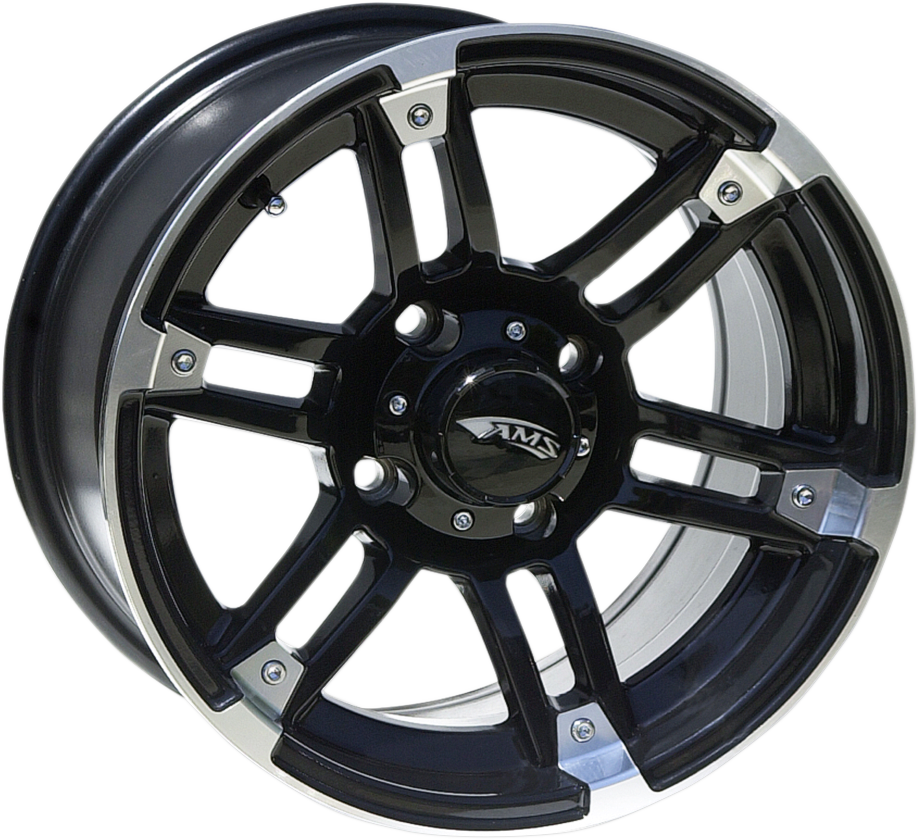
Brands in this section include Excel, BOLT, DEI, AMS and ITP. Pick your machine in the Ride Finder at the top of the page to see wheels and parts made for it. If you are working out bolt patterns, this UTV wheel bolt pattern guide walks through finding yours.
FAQs on UTV and ATV wheels and tires
How do I read a tire size such as 28x10R14?
The first number is the overall tire height in inches, the second is the tread width in inches, and the last is the rim diameter the tire fits. The R means radial construction, while a dash instead, as in 22x8-10, means a bias-ply tire. The rim diameter must match your wheel.
What do the numbers in a bolt pattern like 4/137 mean?
The first number is how many lug studs the hub has, and the second is the diameter of the circle through them, usually in millimeters, though some patterns such as 5/4.5 are in inches. Your wheel must match the hub's pattern exactly. Check your manual or measure.
Can I fit bigger tires on my UTV or ATV?
Often, within limits. Larger tires need clearance from fenders, suspension arms and the frame at full steering lock and full suspension travel, and they add load to the drivetrain and bearings. Check what your manual and the tire listing allow before you commit.
What tire pressure should I run?
Use the pressure on your machine's tire label or in the owner's manual, and measure it with a low-pressure gauge, since quad and UTV pressures are low and a regular gauge may not read well. Check it cold, and never go beyond the maximum on the sidewall.
Do front and rear tires have to match?
Not always. Many machines use different sizes front and rear, and some tires are made for one position only, so read the front or rear label in the listing. Follow your manual on sizes, and avoid mixing different tire types on the same axle.