
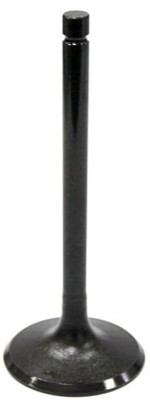
Engine Valves
About Engine Valves
Engine valves open to let the fuel and air mixture in and the burned gas out, and then seal the combustion chamber tight. Over time they burn, pit, bend or lose their seal. A bent valve after a timing-chain failure and a burned valve that ruins compression are the two common reasons riders end up here. Listings cover ATV and UTV machines from Honda, Yamaha, Polaris, Kawasaki, Suzuki and Arctic Cat.
Valves are sold as single intake or exhaust valves, or as matched valve sets for one engine. Intake and exhaust are not interchangeable: exhaust valves face more heat. Some engines use more than one intake valve, and the listing names a center intake valve for the Yamaha YFZ450R and YFZ450X, so check how many valves your engine has. Oversize valves, such as the +2 mm Black Diamond intake for certain Yamaha models, have a bigger head and are meant for modified heads. When you replace a valve, inspect the guide and seat as well, and set valve clearance once the head is back together.
Brands in this category include Bronco, Hot Cams, Moose Offroad, Shindy and Kibblewhite. Valves are cut for a specific engine, so pick your machine in the Ride Finder at the top of the page. Next to valves you will want Valve Guides, Springs & Parts, and for timing, Camshafts and Rocker Arms & Parts. The whole group is Valvetrain Component.
FAQs on UTV and ATV engine valves
How do I know if an engine valve is bent or burned?
A bent valve usually follows a timing failure and shows up as low compression, a misfire or a clatter. A burned valve shows as lost compression and rough running. A compression or leak-down test points to the cylinder, and removing the head confirms the valve.
Are intake and exhaust valves interchangeable?
No. Exhaust valves face hotter gas and are made for that, and the sizes often differ. Use the one the listing names, intake or exhaust, for your engine. If a valve is listed as center intake, it is for engines that use more than one intake valve.
What does an oversize valve mean?
An oversize valve has a larger head than the standard one, for example +2 mm. It is for modified cylinder heads that have been machined to take it. Using one in a stock head needs the seat machined to suit, so it is a job for a machine shop.
Do I need to replace all the valves in an engine at once?
Not always, but check the rest. If one valve has failed, inspect the others, the seats, the guides and the springs. Replacing a worn valve in a worn guide or seat will not hold a good seal, so repair what the inspection shows.
Can I replace valves without removing the cylinder head?
On most engines, no. The head comes off so the valves can be removed, the seats checked and the guides inspected, and a valve spring compressor is needed. If you are unsure about the job, a machine shop can do the head work.