
Ignition & Starting Systems
About Ignition & Starting Systems
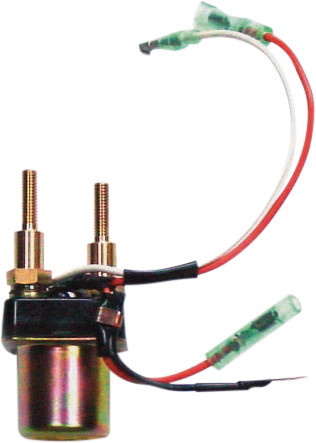
Starting a personal watercraft takes a chain of parts working together: the battery feeds a starter relay, the relay powers the starter motor, and the starter drive turns the engine over so the spark plugs can fire it. When one link fails you get a click and no crank, slow cranking, hard starting or a misfire. This category covers those parts, along with kill buttons, switches and spark plugs.
For spark plugs, use the number your manual specifies. A plug code such as BR8ES-11 or ZFR4F-11 encodes the thread, reach and heat range, so the wrong plug is not just a different brand. Iridium plugs are an option on some models; check that they are approved for yours. Starter motors, relays and starter drives are listed by model and year, so match yours. Switches such as the kill button are part of the machine's safety system. Before replacing anything, check battery charge and the cable connections, since weak power can mimic a failed starter.
Brands here include NGK Spark Plugs, WSM, Riva, Parts Unlimited, Denso and Grote. For related work see Intake & Fuel Systems and Engines, Impellers & Component, part of PWC. Pick your machine in the Ride Finder at the top of the page.
FAQs on jet ski ignition and starting parts
How do I tell a bad starter relay from a bad starter motor?
Start by checking the battery charge and cable connections. If the button produces a click or nothing, the relay or wiring may be at fault. If the motor spins but does not turn the engine, suspect the starter drive. Test as your service manual describes.
How do I choose the right spark plug for my jet ski?
Use the plug number listed in your owner's manual or service manual. The code gives the thread size, reach and heat range, and the manual also gives the gap. Match your model and year, and avoid substituting a plug that is only similar.
Should I replace all the spark plugs at once?
Yes. On a multi-cylinder engine, plugs wear at about the same rate, so replacing them as a set keeps combustion even. Also check the gap on new plugs, since it is not always set correctly out of the box.
What does the kill switch lanyard do on a personal watercraft?
The lanyard connects the rider to the switch, and it stops the engine if the rider falls off. Keep it attached to yourself while riding, replace a damaged one, and never bypass the safety switch.
How tight should a spark plug be?
Thread it in by hand first so you do not cross-thread it, then tighten to the torque in your service manual. Overtightening can damage the threads in the cylinder head, which is a costly repair.