
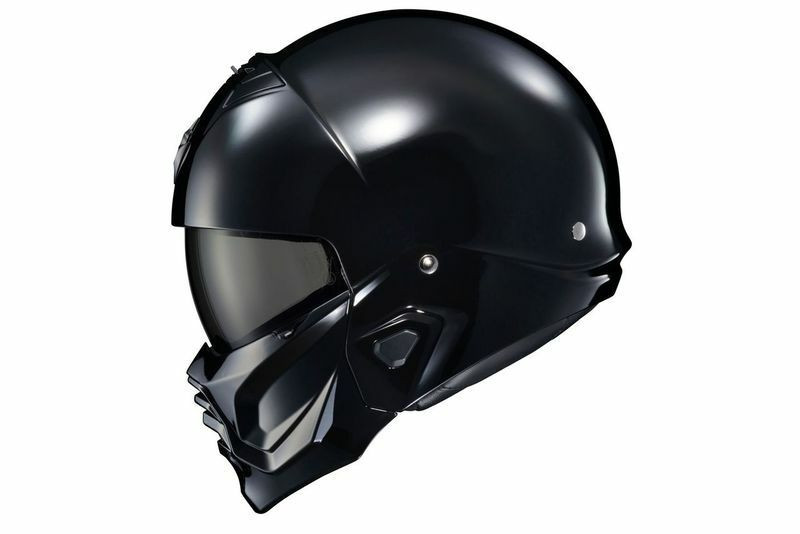
Open Face Helmets
About Open Face Helmets
An open-face helmet covers the top, sides and back of the head and leaves the face uncovered, which gives a wide view and plenty of airflow. Riders pick them for cruisers, scooters and short trips, and for the look and the lighter feel compared with a full-face.
There are two common shapes. A three-quarter open-face covers the ears and the back of the head and often takes a snap-on face shield or a bubble shield. A half helmet, often called a beanie, covers only the top of the head and is the lightest style. Neither covers the jaw or face, so decide how you will protect your eyes, whether with a shield, goggles or glasses.
The listings here include beanie-style half helmets and three-quarter open-face shapes. Look for a certification label inside the helmet, a snug fit and a chin strap you can fasten tightly. Measure above the eyebrows and compare with the maker's chart, since half helmets sit differently from full-face and size charts vary by maker.
Brands in this category include HJC, Biltwell, GMAX, Scorpion EXO and Highway 21. For more coverage, see Full Face Helmets or Modular Helmets. Helmet parts and accessories are in Helmets Parts & Accessories, and this guide to helmet safety standards explains the DOT, ECE and Snell labels.
FAQs on open-face and half helmets
Is a half helmet the same as an open-face helmet?
Not quite. An open-face, or three-quarter, helmet covers the ears and the back of the head. A half helmet, or beanie, covers only the top of the head and leaves the ears and the lower back exposed. Half helmets are lighter but give less coverage.
Do open-face helmets need eye protection?
Yes. With no built-in face cover, wind, dust and insects can reach your eyes. Use a snap-on shield, a bubble shield, goggles or riding glasses made for the purpose. Choose clear lenses for night riding and tinted ones for bright sun.
How can I tell whether a half helmet is certified?
Look for a certification label or sticker, such as DOT in the US, on or inside the helmet. A half helmet without any label may be a novelty item and is not intended for protection, however much it looks like a real one. Check what your area requires before buying.
Can I add a face shield to an open-face helmet?
Some open-face models accept a snap-on shield or visor, and the listing will say so. Shields are model-specific, so match yours by helmet name and check how it attaches. Bubble shields are listed in the visors category.
Where should an open-face helmet sit on my head?
Level, covering the forehead and not tipped back. The cheek pads should touch your face, the helmet should not rock forward or back when you move your head, and the chin strap should be tight enough that the helmet cannot come off.