
Tires
About Tires
Tires set how a UTV or ATV grips, floats, climbs and rides, which is why a change of terrain or a worn tread often sends owners shopping. Lugs wear down, sidewalls get cut, and a tire that suited the trails you rode last year may not suit the sand dunes or mud bog you plan for this season.
Start with size and position. Sizes such as 22x8-10, 25x10-12 and 28x10R14 give height, width and rim diameter, and the rim size must match your wheels. Many listings are labeled front, rear or front/rear, and some are sold per tire, so check the position and the quantity. Next is construction: radial tires, marked with an R, usually ride smoother and run cooler, while bias tires, marked with a dash, are common on smaller quads and on tires made for sand or mud.
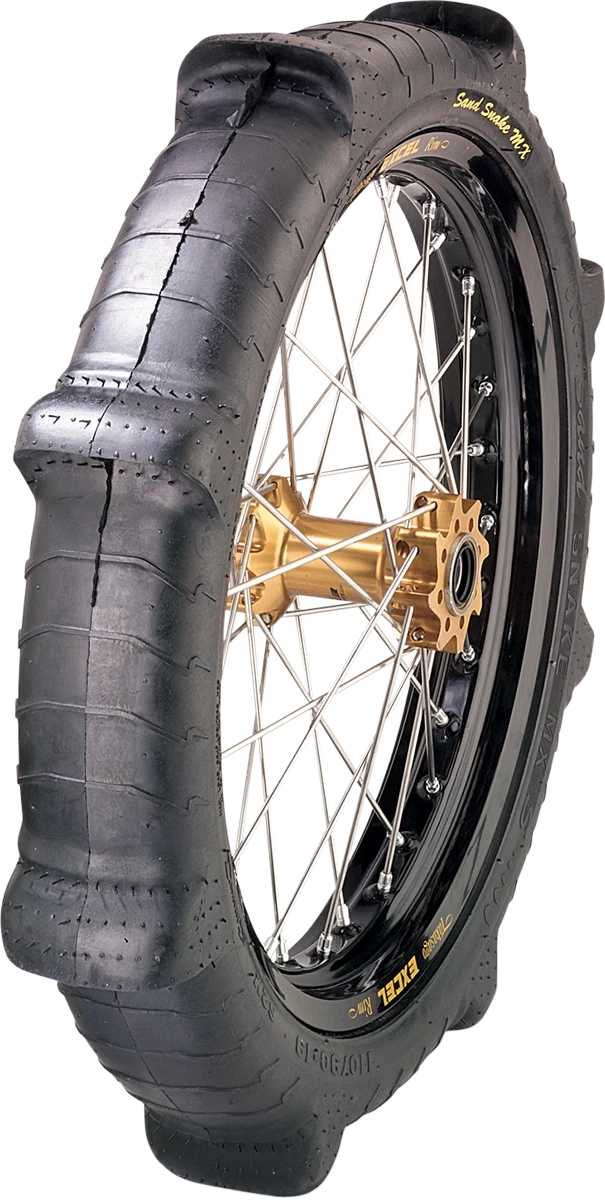
The ply rating, such as 2, 4, 6 or 8, indicates how strongly the tire is built against punctures and load. Tread comes last. Mud and swamp patterns have tall, widely spaced lugs, sand tires may use paddles, all-terrain patterns balance trail use, and turf tires are made for lawn and light work.
Brands here include Sedona, AWC, AMS, ITP and Bridgestone. Pick your machine in the Ride Finder at the top of the page to see tires made for it. The rim diameter must match your wheels, so also see Wheels and Wheel & Tire Packages. This group sits inside Wheels, Tires & Parts.
FAQs on UTV and ATV tires
What is the difference between radial and bias tires?
A radial tire has cords that run across the tread, which gives a smoother ride, a flexible sidewall and cooler running at speed. A bias tire has crisscross plies and a stiffer sidewall, and it is common on smaller quads and in mud or sand designs. Both are made for ATVs and UTVs.
What does a tire's ply rating mean?
On these tires the ply rating is a strength rating, not a count of layers. A higher number such as 6 or 8 means a sturdier build that resists punctures and carries more load, with more weight and a firmer ride. Choose a rating that suits your terrain and load.
Which tread pattern is best for mud, sand or trails?
Mud tires use tall, widely spaced lugs that bite and clear mud. Sand tires often have paddles that dig and float. All-terrain tires use a moderate tread for mixed trails. Pick for the terrain you ride most, since a tire built for one often compromises on another.
Should I replace all four tires at once?
Not necessarily, but replace them in pairs on each axle so both sides match in size, tread and wear. Check your manual for whether front and rear sizes may differ, and avoid mixing tire types on the same axle.
Does the direction a tire is mounted matter?
Yes, for tires with a directional tread. The sidewall often shows an arrow or a rotation mark that tells you which way the tire should turn when the machine moves forward. Mount the tire to match, and ask a tire shop to mount it if you are unsure.