
Pipes & Hoses
About Pipes & Hoses
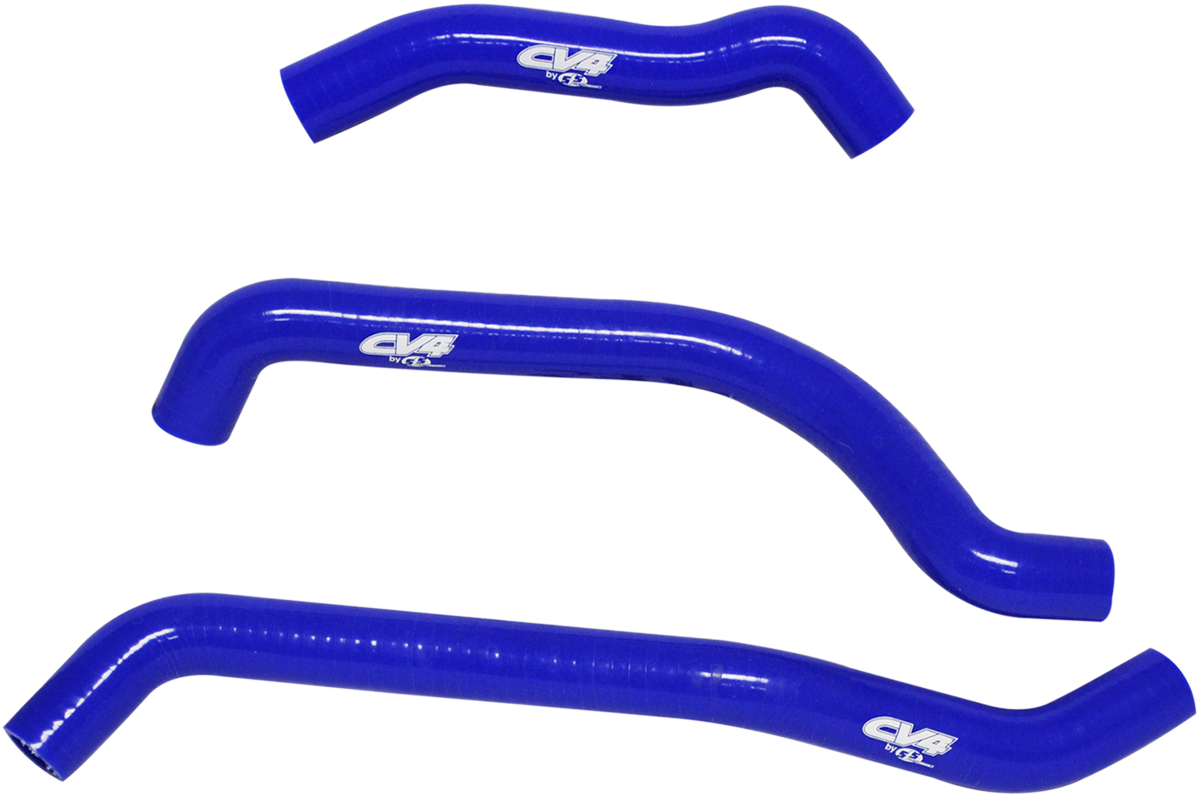
Radiator hoses carry hot coolant from the engine to the radiator and back. They flex, heat up and cool down for years, and trail riding adds vibration, heat and branches. This category lists replacement radiator hose kits for Yamaha, Honda and Suzuki machines, in colors such as red, blue and yellow, from Moose Offroad and CV4.
A hose kit replaces the full set of hoses for one model, so the lengths and bends already suit the machine. Pick by make, model and year using the Ride Finder at the top of the page. The listing names show the color options, so choose the one you want. Replace hoses that feel soft or spongy, look cracked or swollen, or weep coolant at the ends. Fit new clamps if the old ones are rusty or stretched, and after the job refill the system and bleed out the air as your manual describes.
For the rest of the system, see Radiator & Coolant Reservoir Caps, Thermostats & Housings and Water Pumps. The whole group is Engine Cooling.
FAQs on radiator hoses
When should radiator hoses be replaced?
Replace a hose that is cracked, swollen, soft or hard, or that leaks or weeps at the clamps. Squeeze the hoses when the engine is cold; a healthy hose feels firm but flexible. It is also a good idea to replace them during a major cooling service.
Do I need to drain the coolant to change a hose?
Yes, at least part of it. Drain the coolant into a clean pan with the engine cold, change the hose, then refill with the coolant your manual specifies. Dispose of used coolant properly, since it is toxic to animals.
How do I get air out of the cooling system after changing hoses?
Refill slowly and follow the bleed procedure in your manual. Usually that means running the engine, watching for the level to drop, topping it off and checking for leaks. Trapped air can cause overheating, so check the temperature on the first ride.
Can I reuse the old hose clamps?
You can if they are in good condition and still clamp tightly. Replace any that are rusty, bent, stretched or damaged. Fresh clamps are a small part of the job and help prevent leaks at the hose ends, so it is sensible to replace them when you are unsure of their condition.