
Wiring Harnesses, Cables & Connectors
About Wiring Harnesses, Cables & Connectors
Most accessories that people add to a UTV or ATV, such as light bars, fans, USB outlets and auxiliary switches, need a clean power feed. This category lists the wiring that provides it: accessory power harnesses, plug-and-play kits for specific machines, battery cables, and loose terminals and connectors.
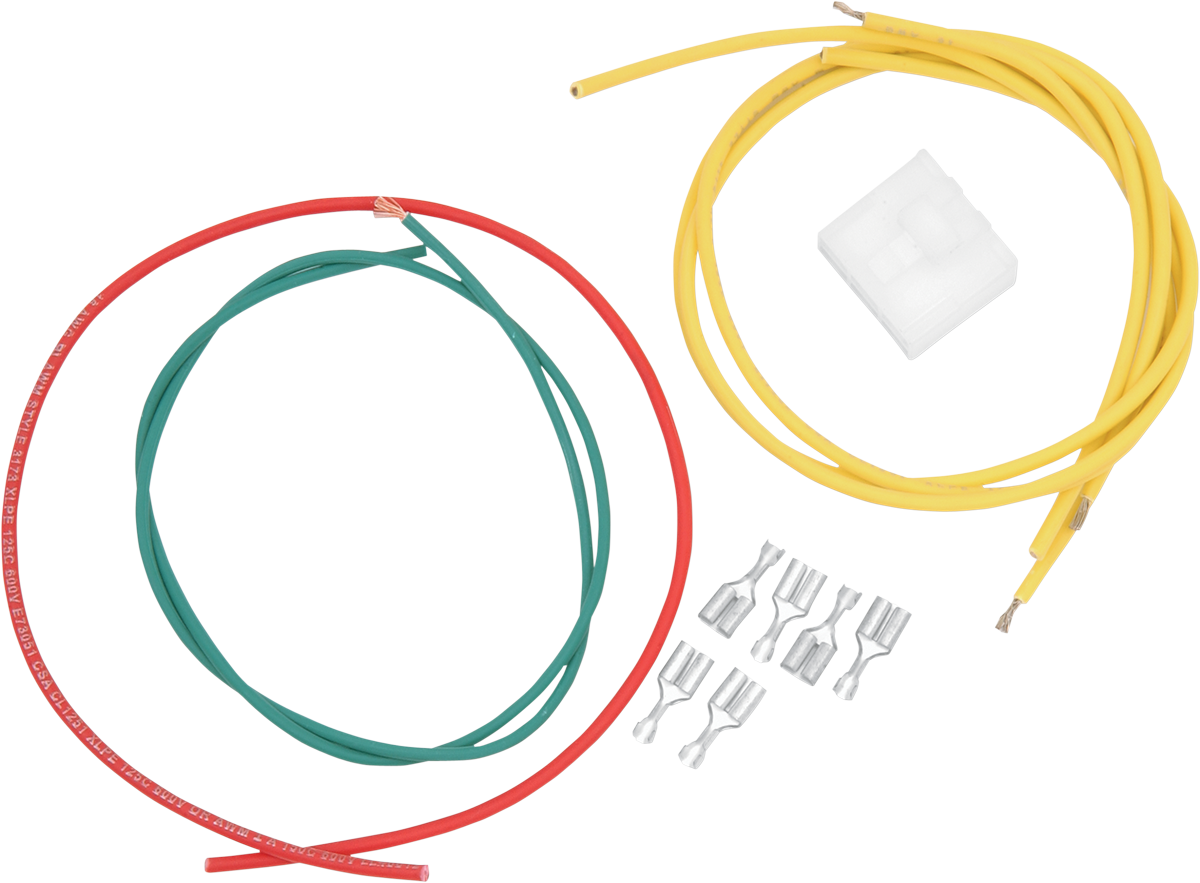
The first choice is model-specific or universal. A plug-and-play kit is built for a particular machine, like the Honda Talon, Polaris RZR, Polaris Ranger and Can-Am Defender kits in the samples, and connects to factory plugs without cutting wires. Universal harnesses, such as an 8-foot power cable kit or a dual 280-watt harness, are wired in by you. Wire gauge matters: a lower gauge number means thicker wire, and higher current and longer runs need thicker wire. Terminals have to match the wire size, such as the 22 to 18 gauge female terminals listed here, and every power feed should have a fuse close to the battery.
Brands here include Heretic, Custom Dynamics, Grote, XTC Power Products and Open Trail. To finish an accessory install, you will probably want Relays, Fuses & Fuse Boxes and a Batteries check, plus Other Electrical & Ignition Components. All of these are in Electrical & Ignition Components.
FAQs on UTV and ATV wiring
What wire gauge do I need for a light bar or accessory?
It depends on the accessory's current draw and the length of the wire run. Follow the accessory maker's chart. In general, more current and longer wires need thicker wire, and wire that is too thin heats up and can melt or start a fire.
What is the advantage of a plug-and-play harness?
A plug-and-play harness connects to the machine's factory connectors, so you do not cut or splice the original wiring. It is made for one model, so the plugs, lengths and routing match. That also makes it easy to remove later.
Do accessory wires need a fuse?
Yes. Put a fuse in the power wire as close to the battery or power source as practical, rated for the accessory and the wire. If the wire shorts, the fuse opens the circuit before the wire overheats.
How do I make wiring connections last off-road?
Use crimp terminals sized for the wire, crimp them with a proper tool, and seal them with heat-shrink or use weatherproof connectors. Route the wire away from hot parts and moving parts, secure it with ties, and leave a loop at connectors so they are not under strain.
Should an accessory be wired to the battery or to a switched source?
A common method is a relay powered from the battery through a fuse, with the relay triggered by a switched circuit. The accessory then works only when the machine is on and does not drain the battery when parked.