
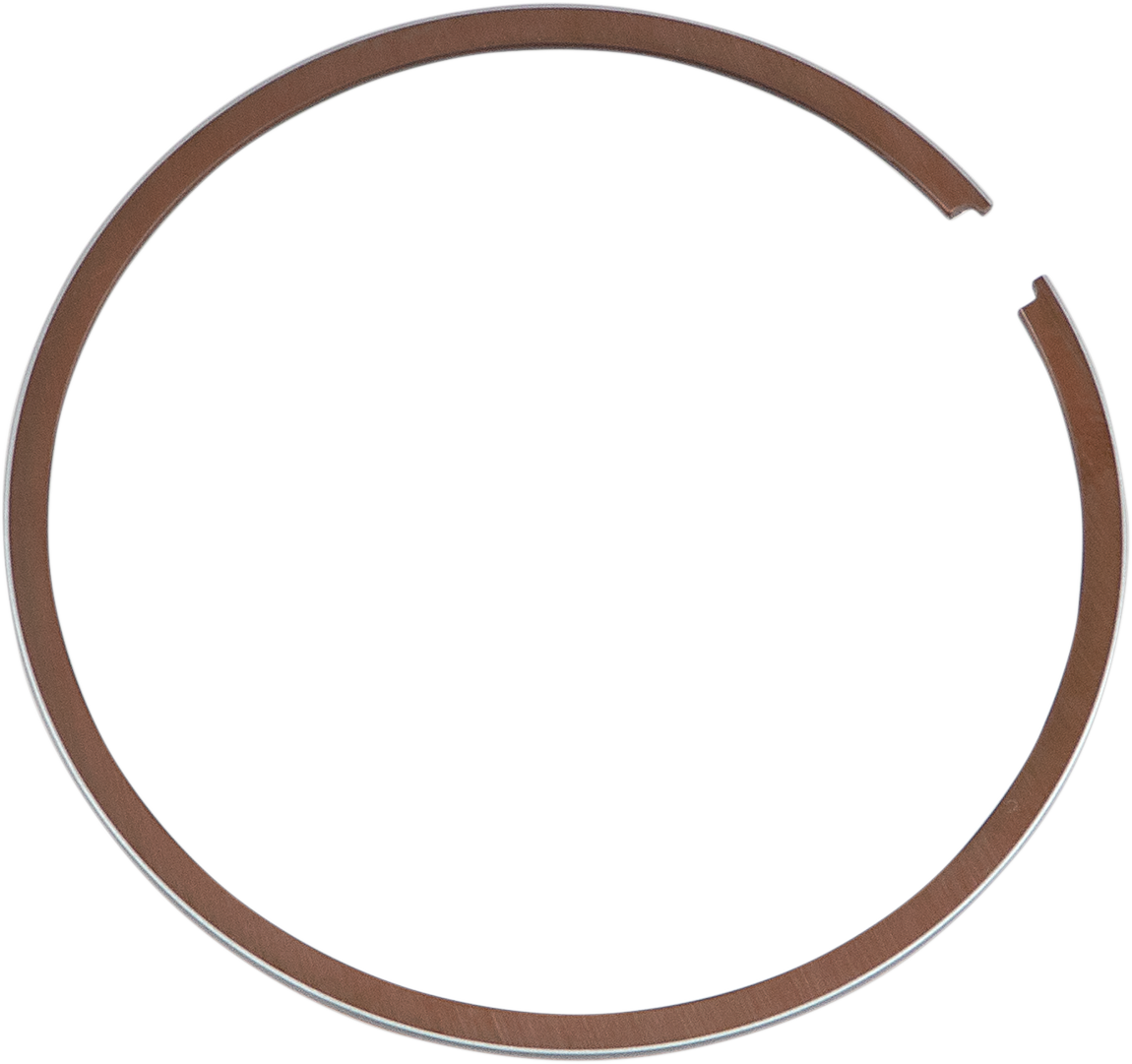
Pistons, Rings & Piston Kits
About Pistons, Rings & Piston Kits
The piston turns combustion pressure into motion, and the rings seal it against the cylinder wall and control the oil. Pistons wear, scuff or crack, and rings lose their seal, which shows up as low compression, smoke or oil use. Riders replace them for repair, to restore a worn engine, or to build a higher-compression or big-bore engine.
Pistons are sized by bore. Japanese bikes and dirt bikes are listed in millimeters, such as 48.50, 54.00 or 68.50 mm, and Harley-Davidson parts in inches, such as 3.885 or an oversize like +0.010. A standard size suits an unworn cylinder, and an oversize piston suits a cylinder that has been rebored, so measure before ordering. A piston kit normally includes rings and a wrist pin, while ring sets are sold alone for re-ringing, so check what the listing includes. Harley listings also cover stroker kits and rings for big-bore motors, and a bigger piston needs matching cylinders.
Brands in this category include Athena, Vertex, Drag Specialties, S&S Cycle and Wiseco. Pick your machine in the Ride Finder at the top of the page. Related categories are Complete Cylinders, Engine Rebuild Kits & Components and Connecting Rods & Parts.
FAQs on motorcycle pistons and rings
How do I find out what piston size to order?
Measure the cylinder bore with a bore gauge or micrometer and compare it with the limits in the service manual. If it is in limits, order standard. If the cylinder has been bored, order the matching oversize.
Do I need new rings with a new piston?
Yes. Fit new rings with every new piston, and check the ring end gap against the figure in the service manual before you install them. Old rings have worn to the old piston and cylinder.
What does an oversize piston mean?
An oversize piston is made larger than standard by a stated amount, such as +0.010 inch, to fit a rebored cylinder. The cylinder has to be machined to that size first, so the two are ordered together.
Does a new piston need a break-in?
Yes. New rings need to seat against the cylinder wall, so follow the break-in instructions from the piston or kit maker, vary engine speed, and avoid hard use at first. Many riders also change the oil early.
What is the difference between cast and forged pistons?
Cast pistons are poured into a mold and are common in standard factory engines. Forged pistons are shaped from solid metal and are generally stronger, which suits performance builds, though they can need more clearance.