
Sensors & Switches
About Sensors & Switches
Sensors and switches tell the bike and its gauges about conditions such as neutral, oil pressure, temperature and engine load, and let you control accessories. Riders replace them when a warning light misbehaves, when a control stops working, or when they add lights or other accessories.
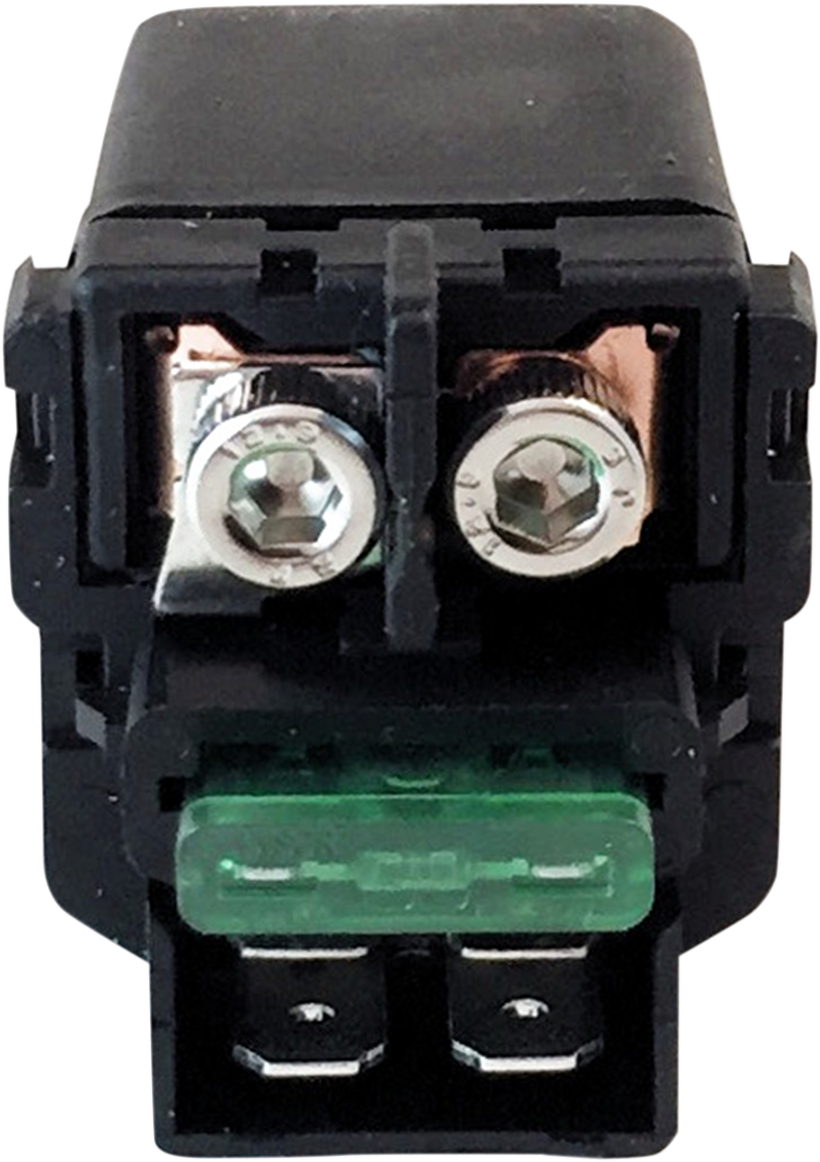
The listings here include neutral switches for Buell, Sportster and FL models, VOES switches, solenoid switches, a brake light switch, an oil pressure switch, and oil temperature and MAP sensors. There are also many rocker switches, some lit, for jobs such as auxiliary power, a stereo, a fan and a bumper light bar. A switch simply opens or closes a circuit, while a sensor produces a signal that changes with the condition. Match each part to its model and year and, for rocker switches, to the panel opening and the amperage of the accessory.
Brands in this category include Drag Specialties, Dakota Digital, Jims, S&S Cycle and GET. The key-operated parts are in Ignition Key Switches, and the parent group is Electrical & Ignition Sensors & Switches. For a fit check, read why parts don't fit.
FAQs on motorcycle sensors and switches
What is the difference between a sensor and a switch?
A switch opens or closes a circuit at a set point, as a neutral or oil pressure switch does. A sensor produces a signal that changes with a condition, such as temperature or manifold pressure, and passes it to a gauge or control unit.
What does a MAP sensor do?
A MAP sensor measures the pressure in the intake, which tells the engine control unit how much load the engine is under. A faulty one can cause rough running or a warning light. Use the sensor listed for your bike.
Are brake light switches the same front and rear?
No. The front and rear brake light switches are usually separate parts, and they come in lever-operated, pedal-operated and pressure-operated styles. Match the type and plug to your bike.
Are rocker switches universal?
They work the same way, but the panel opening, the amp rating and the wiring vary. Choose one rated for the accessory's current, and check that it fits the hole where you plan to mount it.
What should I check before replacing a sensor?
Check the connector for corrosion or looseness, the wiring for damage, and the ground connection. Then test the sensor against the specifications in your service manual, and use fault codes if the bike supports them.