
Fuel Hoses, Lines & Pipes
About Fuel Hoses, Lines & Pipes
Fuel hose carries gasoline from the tank to the carburetor or injectors, and it hardens, cracks and weeps with age. Riders replace it when it shows damage, when a project bike needs a new run of line, or when they change to clear line so they can see the fuel and any debris.
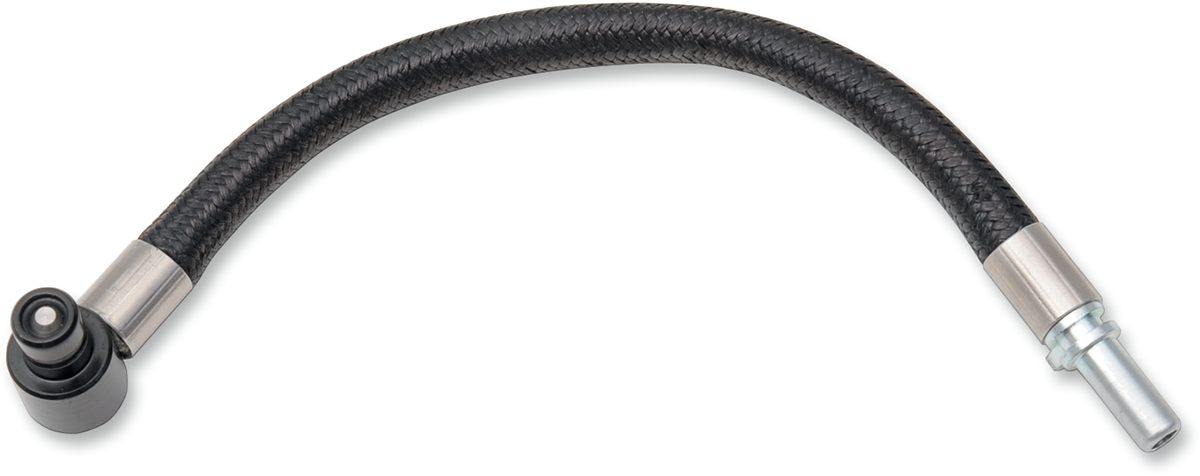
Listings include fuel line in set lengths such as 3 and 25 feet, in sizes from 1/16 inch to 3/8 inch and in clear, black, red, green and blue, a Softail tank crossover line, a hose and clamp kit for a KTM 65, a push-in tank fitting and a hose splicer. Choose a line whose inside diameter matches your fittings, and use hose rated for gasoline, since other hose can swell or crack. Fuel-injected bikes run at higher pressure, so use hose specified for injection. Use the right clamps and check every joint for leaks.
Brands here include Helix, Drag Specialties, Parts Unlimited, Motion Pro and All Balls. Related parts are Fuel Filters, Fuel Tank Caps and Fuel Petcocks & Taps. Pick your bike in the Ride Finder at the top of the page for model-specific lines.
FAQs on motorcycle fuel lines and hoses
What size fuel line do I need?
The inside diameter of the line must match the fittings on your tank, petcock and carburetor or fuel rail. Measure your old line or check the manual. Listings give the size in inches, so compare it with the fitting before you order.
Can I use any rubber hose as fuel line?
No. Use hose made and rated for gasoline. Other hose can swell, soften or crack and leak fuel, which is a fire risk. Check that the listing says it is fuel line, and check the connections for leaks after fitting it.
How do I know when fuel line needs replacing?
Look for cracks, hardening, swelling, soft spots, seepage at the ends and a gasoline smell. Old line that has stiffened can leak at the fittings. Replace it when you see these signs, and renew the clamps.
What kind of clamp should I use on fuel line?
Use clamps made for fuel line and sized to the hose, and do not overtighten them, since that can cut the line. Push-in fittings and clamps vary by model, so follow your service manual and check each joint for leaks.
Is fuel injection hose different from carburetor fuel line?
Yes, in many cases. Fuel injection runs at higher pressure than a carburetor feed, so the hose and clamps must be rated for it. Use the hose listed for your model, and check the maker's instructions.