Fuel Tanks
About Fuel Tanks
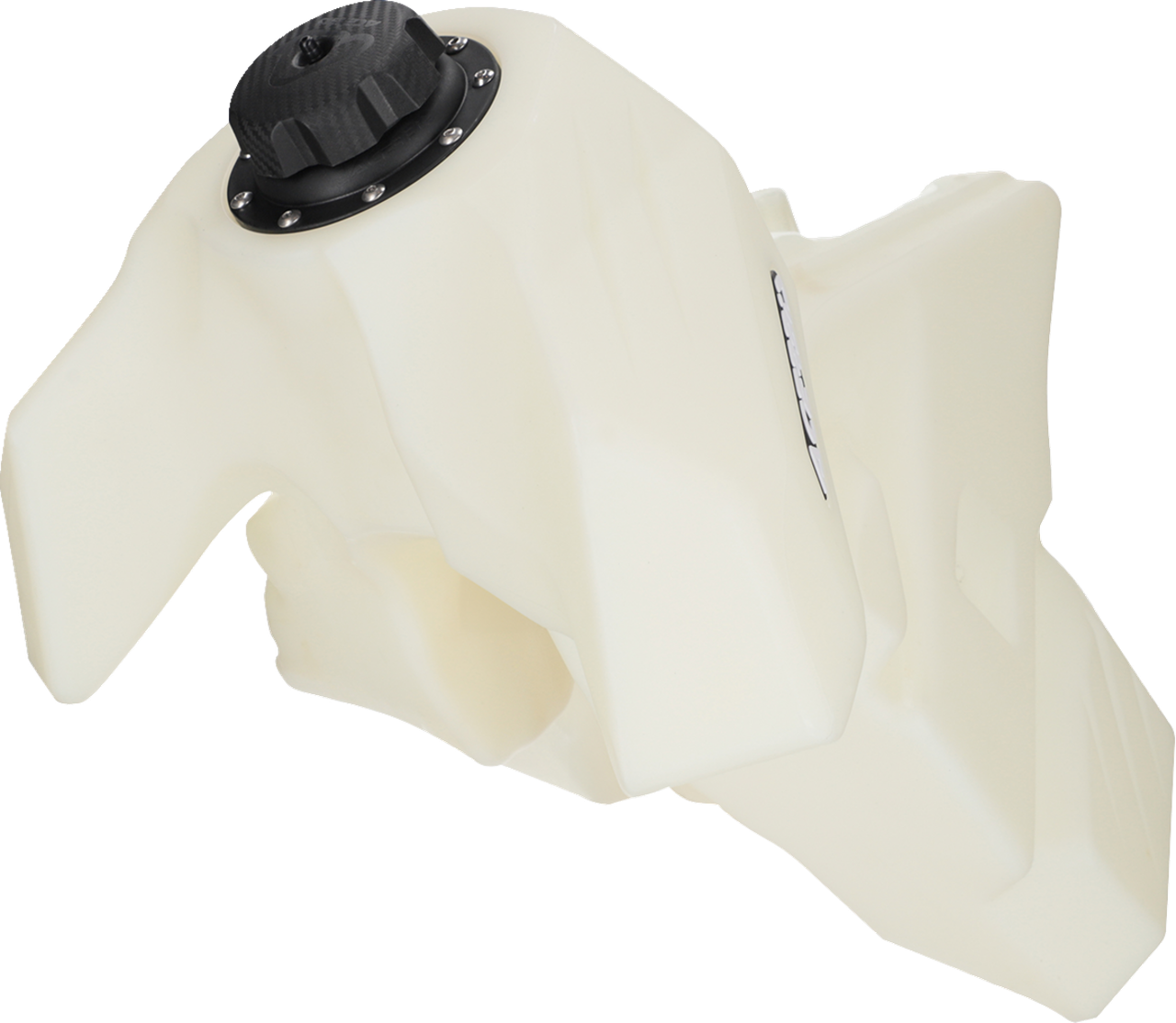
A fuel tank holds the gasoline and sets how far you can ride between fill-ups. Riders replace a tank that is dented, cracked, leaking or rusted, and off-road riders swap in a larger one so a long trail day or enduro needs fewer stops.
The listings here include large-capacity tanks for Honda, Yamaha, KTM, Husqvarna and Gas Gas models in sizes from about 3 to 4 gallons, replacement tanks for KTM, Husqvarna and Suzuki, including a 6.6 gallon one, a Sportster extended dash tank kit and a front auxiliary tank kit of 0.8 gallon. Tanks are model-specific, because the mounting points, fuel pump or petcock position, seat and bodywork have to line up. Pick your machine in the Ride Finder at the top of the page. A bigger tank also carries more weight when full, which changes how the bike feels, and the listing says what is included.
Brands here include JIMS, Drag Specialties, Acerbis, Motion Pro and IMS Products Inc.. To finish the job you may need Fuel Tank Caps, Fuel Petcocks & Taps, Fuel Pumps & Sending Units, Fuel Hoses, Lines & Pipes and Fuel Filters. They share the section Air Intake & Fuel Delivery.
FAQs on motorcycle fuel tanks
Will a larger fuel tank fit my motorcycle?
Only if it is made for your model and year. Large-capacity tanks for off-road bikes are listed by make, model and year range, because the mounting points, shrouds and seat have to match. Use the Ride Finder, and check the listing for the capacity and fit before you order.
What do I need to move over from my old tank?
That depends on the tank. Parts such as the cap, petcock or fuel pump, fuel lines and mounting hardware often have to be moved from the old tank or bought separately. Read the listing to see what is included, and compare the new tank's fittings with the old one.
What does an auxiliary fuel tank do?
An auxiliary tank adds fuel capacity in addition to the main tank. The front auxiliary kit in this category holds 0.8 gallon. Check that the kit is made for your model and how it is plumbed, and follow the maker's instructions for installing it.
Is it safe to change a fuel tank at home?
It can be, with care. Work outdoors or in a ventilated space away from sparks and flames, drain the tank, disconnect the battery and follow your service manual. If you are not comfortable with fuel work, have a shop do it.
How do I check for fuel leaks after installing a tank?
Fill the tank partway, then look at the seams, fittings, cap and hose connections for seepage and smell for gasoline. Check again after a short ride. Do not ride with a leak, and fix any weeping fitting or hose before using the bike.