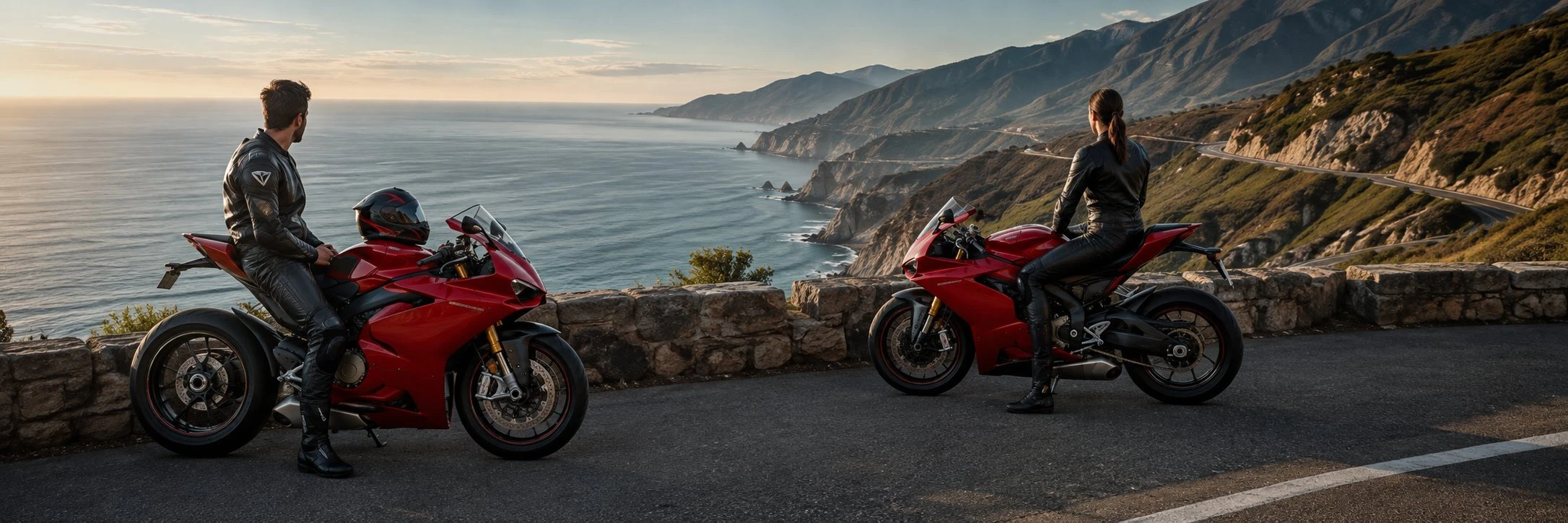
Motocross Helmets
About Motocross Helmets
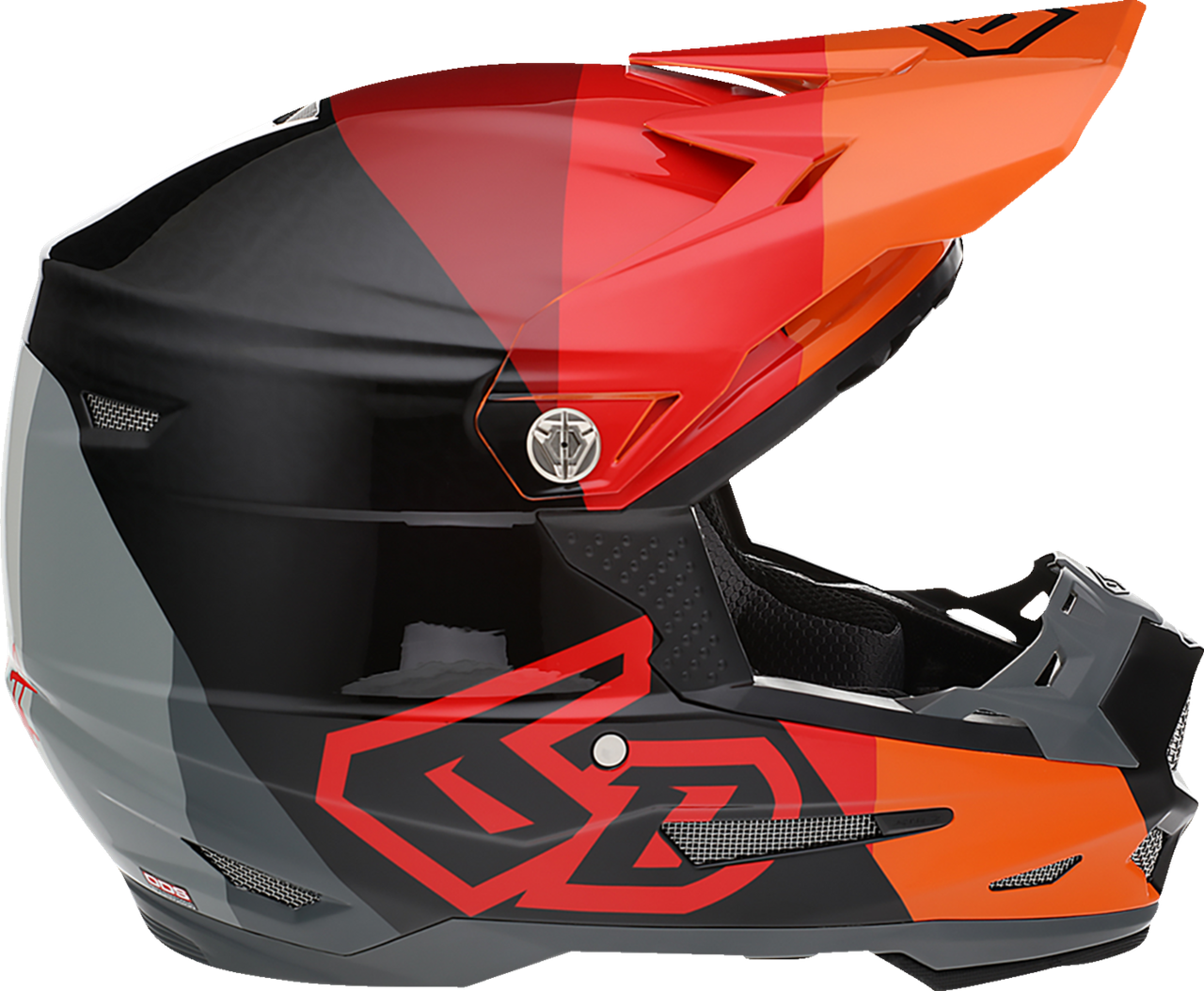
Motocross helmets are built for dirt: a long peak, a chin bar that juts forward for airflow, and a wide eyeport that takes goggles. Riders buy them for motocross and off-road riding, for ATV and UTV trail days, and as a ventilated replacement when an old helmet is worn out or outgrown.
The features to compare are weight, ventilation and protection beyond the basic shell. Lighter shells of fiberglass or carbon fiber are less tiring on the neck over a long moto, and the carbon models in this category are examples. Some helmets add a rotational-impact system, which the listing will name if present.
The peak shades the eyes and deflects roost and branches, and goggle fit matters, because the strap should sit securely around the helmet and the frame should seal against the eyeport without a gap at the nose. Check the certification label for the standard that applies where you ride. Youth helmets are listed in this category, and kids should wear the size that fits now, not one to grow into, because a loose helmet can shift in a crash.
Brands in this category include THOR, Fly Racing, 6D Helmets, HJC and GMAX. For other styles, see Full Face Helmets, Modular Helmets and Open Face Helmets. Helmet parts and accessories are in Helmets Parts & Accessories, and the full range of helmet types is at Helmets.
FAQs on motocross helmets
Can I wear a motocross helmet on the street?
Some carry the certification needed for road use, which the label shows, but they have no face shield and the peak can catch wind at speed, making them noisy and tiring. You also need goggles or glasses. For regular street riding, a full-face helmet is a better fit for the job.
Do goggles fit every motocross helmet?
Most motocross helmets are shaped for goggles, but eyeport size and nose cut-out vary between models. A goggle should seal against the helmet without gaps or pressure on the nose, and the strap should sit securely. Try the combination before relying on it.
How should a youth motocross helmet fit?
Measure the child's head above the eyebrows and use the size chart. The helmet should be snug with no movement when the head shakes. Do not buy a size up for growth, because a loose helmet can shift in a fall. Replace it when it no longer fits well.
Why do motocross helmets have a peak?
The peak shades the eyes from low sun, deflects roost and branches, and helps keep the goggles clear. It is usually adjustable or replaceable, and listings for peaks are model-specific. On the road, a large peak can lift at highway speed.
How do I clean a motocross helmet after a muddy ride?
Rinse the shell with lukewarm water and wipe it with a soft cloth. Remove the liner and cheek pads if the manual says they are removable, wash them by hand with mild soap, and air dry everything away from heat. Do not use solvents or pressure washers.