Balaclavas, Masks & Tubes
About Balaclavas, Masks & Tubes
Tubes, balaclavas and masks cover the skin a helmet leaves open, keeping cold wind, dust and spray off the neck and face. They also keep sweat away from the helmet liner, so the liner needs washing less often.
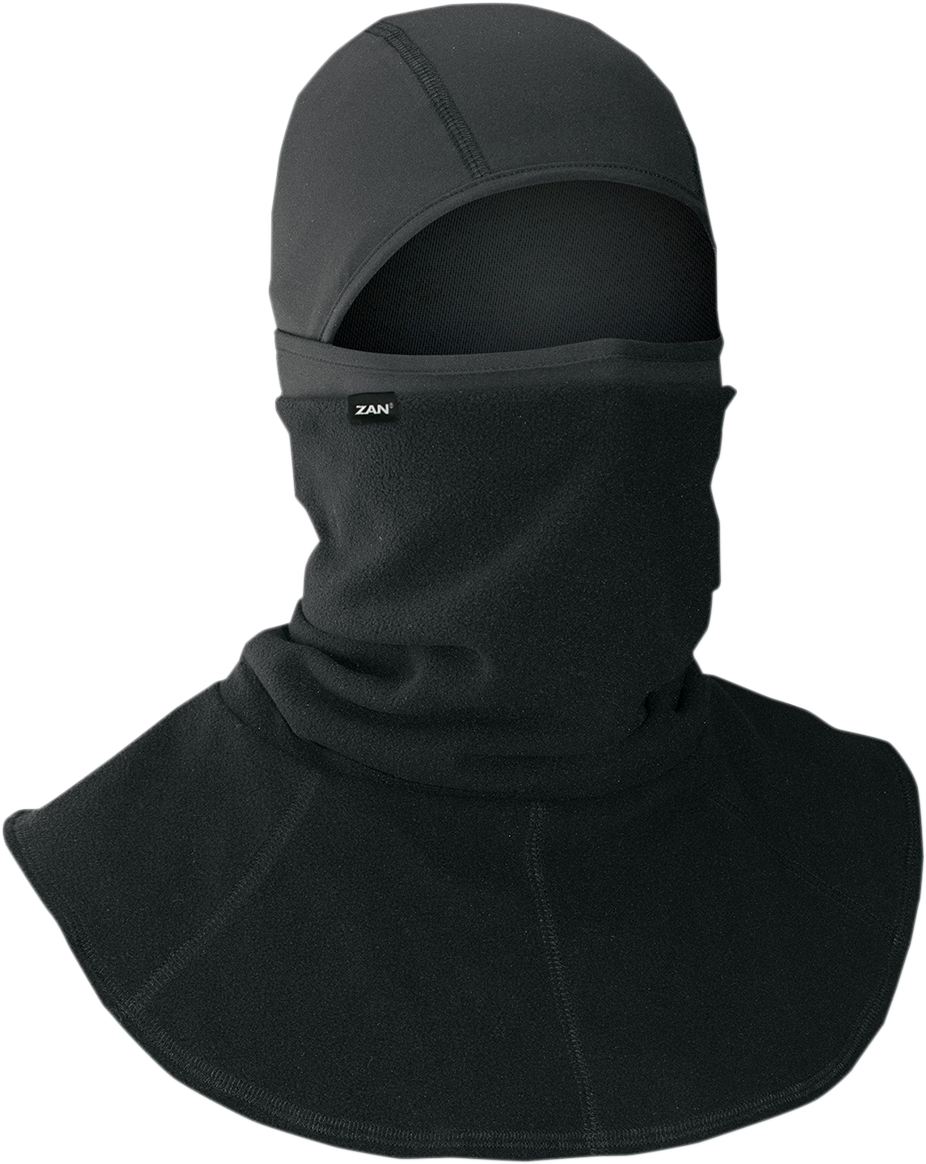
The styles do different jobs. A tube, sometimes called a neck gaiter, is an open loop of stretch fabric worn at the neck or pulled up over the nose and mouth. A balaclava covers the head, neck and much of the face and is thin enough to go under a helmet. Masks, such as the neoprene half and full-face masks listed here, block wind on cold rides, and head wraps and bandannas cover the head with the least bulk.
Fabric sets the use: fleece lined for cold, thin stretch fabric that wicks moisture for warm days, and reflective trim if you ride at dusk. Whatever you pick should be thin enough not to change how the helmet fits and should let you breathe easily. Breath that escapes upward can fog goggles or a shield, so look for a close fit under the eyes or a design that sends breath down.
Brands in this category include Fly Racing, GMAX, Lethal Threat and Zan Headgear. For the rest of a cold-weather head setup, see Eyewear, Other Headwear and Ear Plugs, all part of Protective Gear.
FAQs on balaclavas, masks and neck tubes
What is the difference between a balaclava and a neck tube?
A balaclava is a close-fitting hood that covers the head, neck and part of the face, and it is made to fit under a helmet. A neck tube is an open loop of fabric that can be worn at the neck or pulled up over the nose and mouth, and many double as a headband.
Can I wear a balaclava under my helmet?
Yes, if it is thin. The helmet must still fit snugly with it on, so check this when you try it and avoid thick fleece under a helmet that is already tight. Keep seams flat and make sure the fabric does not bunch behind the neck or over the ears.
Why do my goggles or visor fog when I wear a face mask?
Warm breath moving up past the nose meets a cold lens and condenses. A mask that fits close under the eyes, a tube pulled lower, or a design that directs breath downward helps, as does opening the helmet vents. Anti-fog lenses and inserts also reduce the problem.
What fabric is best for riding in the cold?
Fleece-lined tubes and neoprene masks block wind and hold heat, which suits snowmobiling and cold-weather riding. Thin moisture-wicking stretch fabric suits mild or warm days. Avoid cotton in cold or wet weather, because it holds moisture and feels colder.
How do I wash a balaclava or neck tube?
Follow the care label on the item. Many synthetic tubes and balaclavas can be machine washed in cool or warm water with mild detergent and then air dried. Wash after sweaty rides, because trapped sweat and skin oils build up and cause odor.